Types of Dental Bone Grafts Explained
Dental Bone Grafts: Types, Benefits, & Recovery
When a patient loses a tooth, experiences gum disease, or suffers trauma to the jaw, bone loss can occur over time. In many cases, rebuilding the jawbone is necessary before dental implants or other restorative treatments can be successful. This is where bone grafting plays an important role in oral surgery and long-term dental health.
At Oral Surgery Center of Pensacola, patients often ask about the different types of dental bone grafts and which option may be best for their situation. Understanding the basics of bone grafting can help you feel more confident about your treatment plan and recovery process.
What Is Bone Grafting?
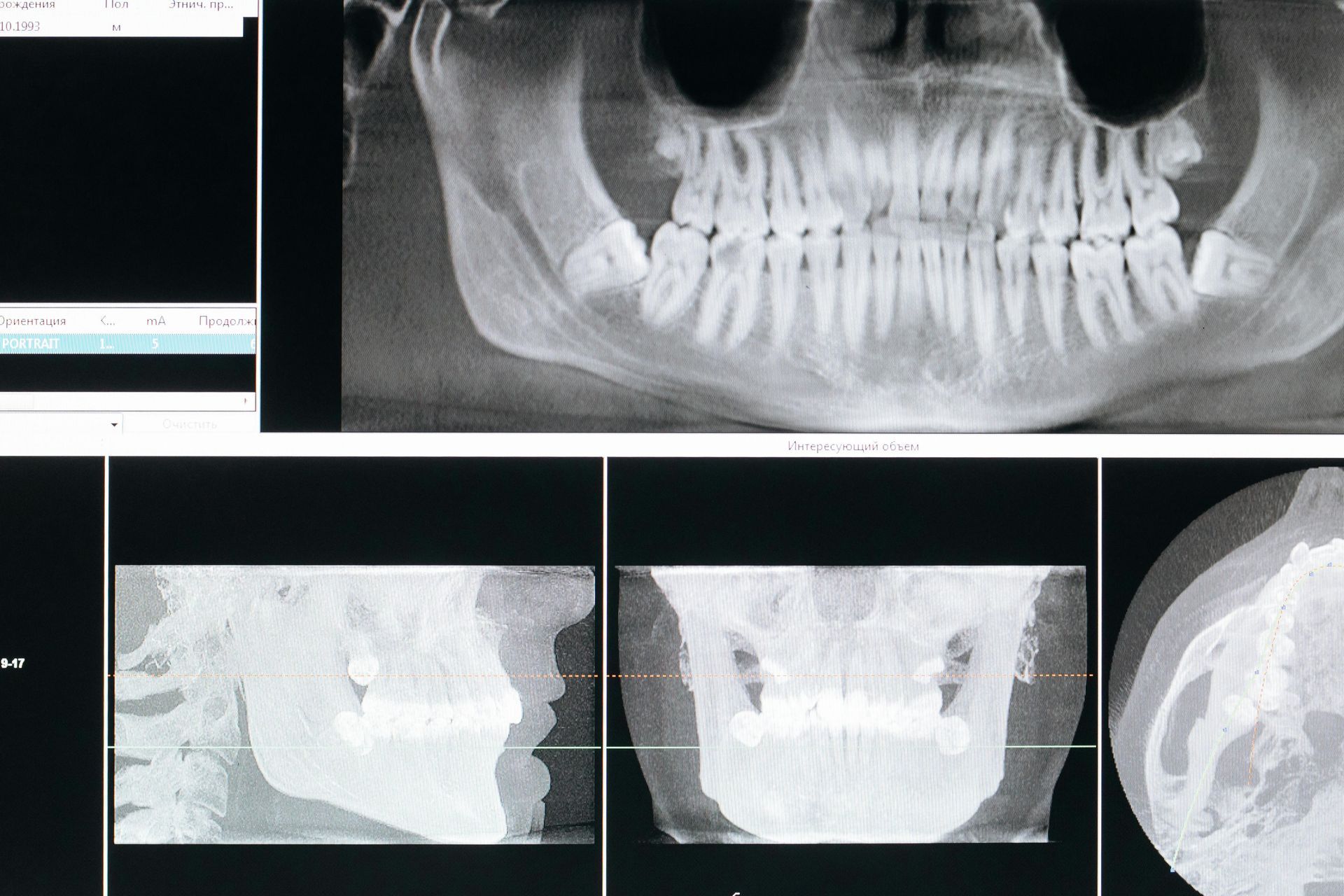
Bone grafting is a procedure used to rebuild or strengthen bone in the jaw. During the procedure, a surgeon places bone material into an area where bone has deteriorated or is missing. Over time, the graft integrates with your natural bone and encourages new bone growth.
Bone grafting is commonly recommended for patients who:
- Need dental implants but lack adequate jawbone density
- Have experienced bone loss after tooth extraction
- Suffer from advanced periodontal disease
- Have sustained facial or jaw trauma
- Need support for long-term oral health and facial structure
Several types of bone graft materials are available, and the right choice depends on your individual needs and treatment goals.
Autografts: Bone From Your Own Body
An autograft uses bone taken from another area of the patient’s body, often the chin, jaw, hip, or tibia.
Benefits of Autografts
- Considered the “gold standard” for bone grafting
- Contains living bone cells that promote natural healing
- Lower risk of rejection since the material comes from your own body
Considerations
Because the bone is harvested from another surgical site, patients may experience additional discomfort or recovery time. However, autografts are often highly effective for larger grafting procedures or complex implant cases.
Allografts: Donor Bone Material
An allograft uses bone obtained from a human donor source. The material is carefully processed and sterilized to ensure safety.
Benefits of Allografts
- No second surgical site required
- Reduced procedure time
- Widely used and highly successful in many dental procedures
Considerations
Although allografts do not contain living cells like autografts, they provide an excellent framework for new bone growth. Many patients prefer this option because it avoids harvesting bone from their own body.
Synthetic Bone Grafts (Alloplasts)
Synthetic grafts, also called alloplasts, are made from biocompatible materials such as calcium phosphate or bioactive glass.
Benefits of Synthetic Grafts
- No donor tissue required
- Lower risk of disease transmission
- Effective for many minor and moderate grafting procedures
Considerations
Synthetic materials continue to improve with advances in dental technology. In many cases, they provide predictable results and excellent healing outcomes.
Common Types of Bone Grafting Procedures
In addition to different graft materials, there are several types of bone grafting procedures commonly performed in oral surgery.
Socket Preservation
After a tooth extraction, bone loss can begin quickly. Socket preservation places graft material into the empty tooth socket to help maintain bone structure for future dental implants.
Sinus Lift
A sinus lift is often needed for implants in the upper back jaw. This procedure adds bone beneath the sinus cavity to create adequate support for implants.
Ridge Augmentation
Ridge augmentation rebuilds the jawbone’s natural shape and width after bone deterioration or trauma.
Periodontal Bone Grafting
Patients with advanced gum disease may require bone grafting to restore bone lost around the teeth and improve oral stability.
What to Expect During Recovery
Recovery after bone grafting varies depending on the size and location of the graft. Most patients experience mild swelling, tenderness, and discomfort for several days.
To support healing, your oral surgeon may recommend:
- Soft foods during early recovery
- Avoiding smoking and tobacco products
- Proper oral hygiene practices
- Follow-up appointments to monitor healing
The grafted area may take several months to fully integrate with the surrounding bone before dental implants can be placed.
Is Bone Grafting Right for You?
Many patients are surprised to learn that bone loss does not automatically prevent them from receiving dental implants. Modern bone grafting techniques allow oral surgeons to rebuild bone and restore oral function with highly predictable outcomes.
At Oral Surgery Center of Pensacola, our experienced team evaluates each patient individually to determine the most effective treatment approach. Whether you need a simple socket preservation procedure or more advanced jaw reconstruction, we are committed to helping you achieve a healthy, confident smile.
Schedule a Consultation
If you have questions about bone grafting or dental implant preparation, the Oral Surgery Center of Pensacola is here to help. Contact our office in Pensacola, FL today to schedule a consultation and learn more about your treatment options.