Facial Reconstruction After Trauma: Common Causes & Cases
Traumatic facial injuries can occur in an instant, yet their effects may last a lifetime without proper treatment. The face contains a complex network of bones, muscles, nerves, and teeth. These elements work together to support essential functions such as eating, speaking, breathing, and facial expression. When trauma disrupts these structures, prompt and specialized care helps restore both function and appearance.
The team at Oral Surgery Center of Pensacola understands the physical and emotional challenges that accompany facial injuries. Through advanced facial reconstruction techniques, we help patients regain confidence, comfort, and quality of life after traumatic accidents and injuries.
What Is Facial Reconstruction?
Facial reconstruction is a specialized area of oral and maxillofacial surgery that is focused on repairing and rebuilding facial structures that have been damaged by trauma, disease, or congenital conditions. Treatment plans are customized based on the extent of the injury and may involve repairing fractured facial bones, restoring damaged soft tissues, replacing missing teeth, and rebuilding areas where bone loss has occurred.
The goal of facial reconstruction is not only to restore a patient's appearance but also to improve essential functions such as chewing, speaking, breathing, and maintaining proper jaw alignment.
Common Causes of Facial Trauma
Facial injuries can result from a variety of accidents and incidents. Some of the most common causes include:
Motor Vehicle Accidents
Car, motorcycle, and bicycle accidents are among the leading causes of facial trauma. High-impact collisions can fracture jaws, break cheekbones, damage teeth, and cause significant soft tissue injuries. These cases often require comprehensive facial reconstruction to restore both function and aesthetics.
Sports Injuries
Contact sports and recreational activities can leave athletes vulnerable to facial injuries caused by falls, collisions, or direct impact from equipment. Athletes may experience fractures of the jaw or facial bones, dental trauma, and tooth loss that require surgical intervention.
Falls
Falls are a common source of facial injuries among both children and older adults. Depending on the severity of the fall, patients may sustain fractures, lacerations, and damaged teeth. Reconstructive procedures can help address these damages.
Workplace Accidents
Industrial environments, construction sites, and other physically demanding workplaces can present risks for facial trauma. Heavy equipment, falling objects, and accidental impacts may cause severe injuries. Specialized oral and maxillofacial care can help address any problems you might encounter after a workplace accident.
Physical Assaults
Unfortunately, interpersonal violence remains a significant cause of facial fractures and dental injuries. Treatment often involves repairing broken facial bones and restoring damaged oral structures to help patients recover physically and emotionally.
Common Facial Reconstruction Cases
Every facial injury is unique, but several types of trauma are frequently treated through reconstructive surgery.
Jaw Fractures
The lower jaw, or mandible, is one of the most commonly fractured facial bones. Jaw fractures can interfere with chewing, speaking, and normal bite alignment. Surgical treatment may involve stabilizing the bone with plates and screws to promote proper healing and restore function.
Facial Bone Fractures
Trauma can affect a variety of facial bones, including the cheekbones, orbital bones surrounding the eyes, and nasal structures. Reconstructive surgery focuses on repositioning and securing fractured bones to restore facial symmetry and protect surrounding tissues.
Tooth Loss & Dental Trauma
Severe facial injuries can cause loose, damaged, or missing teeth. In many cases, dental implants provide a long-term solution for replacing lost teeth and restoring a natural-looking smile. Dental implants also help preserve jawbone health and maintain proper oral function after traumatic tooth loss.
Complex Tooth Extraction Cases
Trauma can sometimes fracture teeth beyond repair. In these situations, a tooth extraction may be necessary to remove damaged teeth and prevent future complications. After healing, restorative options such as dental implants can help rebuild the smile.
Bone Loss Following Injury
Facial trauma can lead to significant bone loss in the jaw or surrounding facial structures. Bone grafting procedures are used to rebuild lost bone volume, creating a stable foundation for future reconstruction and restorative treatment.
Impacted or Damaged Wisdom Teeth
Although wisdom teeth removal is usually a preventive procedure, trauma can sometimes affect impacted or partially erupted wisdom teeth. In certain cases, removal may be recommended as part of a broader treatment plan to support healing and reduce the risk of complications.
The Role of Advanced Surgical Planning
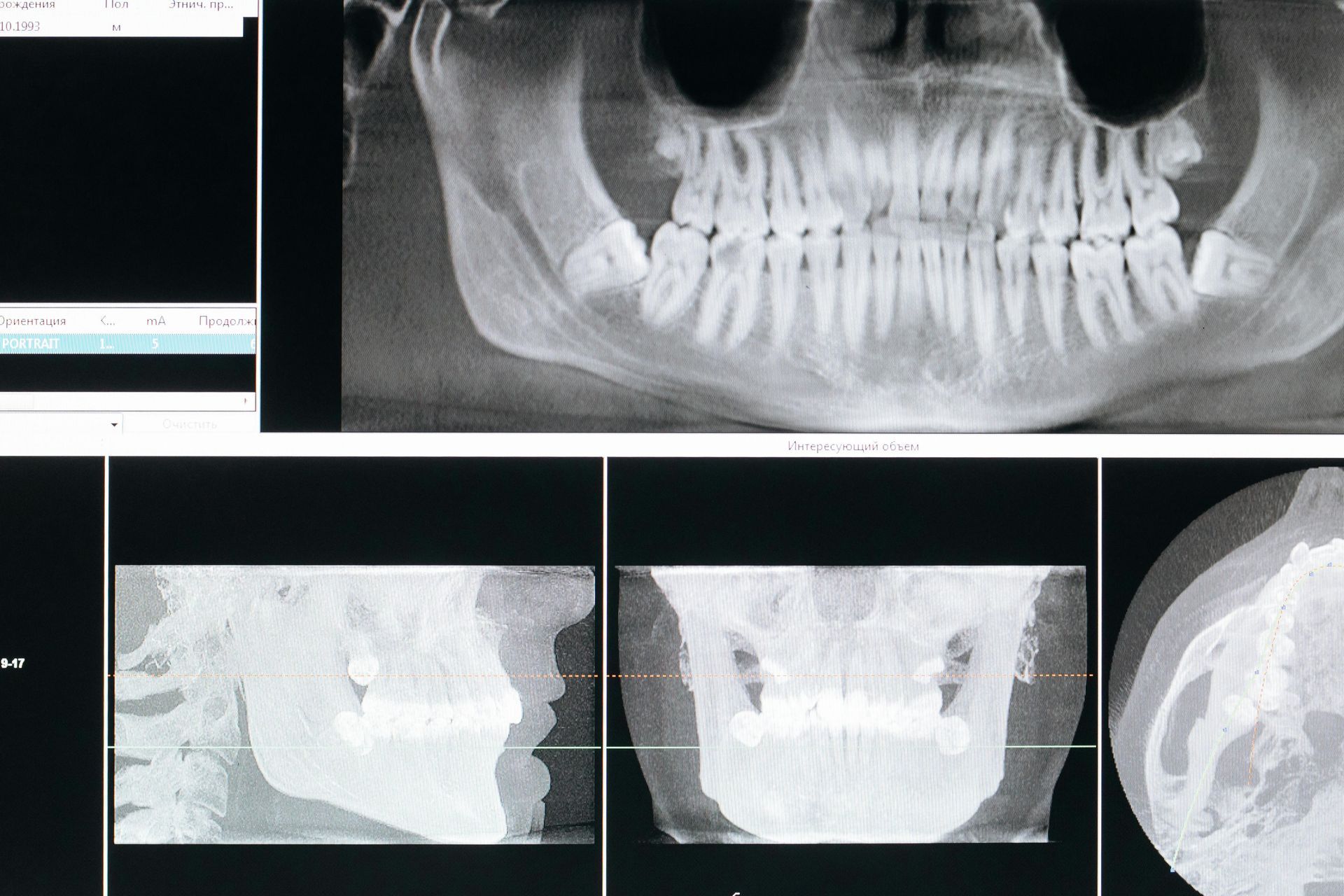
Modern facial reconstruction relies on sophisticated diagnostic imaging and treatment planning technologies. Three-dimensional imaging allows our surgeons to evaluate injuries with exceptional precision and develop customized surgical approaches.
By carefully assessing bone structure, dental health, and facial anatomy, oral and maxillofacial surgeons can achieve more predictable outcomes while minimizing recovery time as much as possible.
Recovery After Facial Reconstruction
Recovery time will vary depending on the severity of the injury and the complexity of the surgical procedures required. You may expect to experience swelling, bruising, and temporary discomfort during the healing process. Following your post-operative instructions carefully is essential to achieve optimal results.
In many cases, recovery involves multiple stages, especially when treatment includes bone grafting, dental implants, or extensive facial reconstruction. Ongoing follow-up care helps ensure proper healing and long-term success.
Restoring Function, Health, & Confidence
Facial trauma can have a profound impact on daily life, but timely treatment can make a significant difference in recovery. Through comprehensive facial reconstruction, you can regain important functions, restore your appearance, and move forward with confidence after an injury.
If you have experienced facial trauma and require specialized surgical care, Oral Surgery Center of Pensacola is here to help. Our experienced team provides advanced treatment solutions, including
facial reconstruction,
dental implants,
wisdom teeth removal,
bone grafting, and
tooth extraction procedures.
Contact us today to schedule a consultation and learn how we serve patients throughout the Pensacola, Brent, Ensley, and Ferry Pass, FL areas.